https://www.facebook.com/juliann.vitullo/videos/10219868453277224/UzpfSTE4ODYyODE3ODM0MzQ1Nzo2ODY0MDE3MjUyMzI3NjQ/

David Schwake, RD, MSN – Force of nature; fiercely and constantly committed to feed any and all hungry children or adults; friend, protector, mentor, educator, visionary community leader, devoted husband, father, grandpa, gardener, cookie baker, fan of local farms, tireless worker; corn-shucking contest host; costume-donning child advocate; volunteer, beloved Santa Claus, famous omelet maker, an ever-upbeat innovator and the much-loved Sun Produce Co-op Board Treasurer – has passed away from COVID 19.
He touched so many lives in so many different ways, enriching us all, teaching us to find ways to say ‘yes’ and just get things done. He checked in all the time with his widespread network, knitting folks together from one end of the valley to the other and beyond, making it easier and better for school kids, families, and seniors to eat well and feel nourished and cared for while doing so. He helped shape my life for more than 30 years and has made me a better person. He will be missed dearly. I will cherish the stories and chance to work together that we made and know surely that David will live on in our hearts and memories and in all the good he has done in the community!
Cindy Gentry President
LITCHFIELD PARK, AZ (3TV/CBS 5) — The future is up in the air for a popular Litchfield Park organic farm. A developer is buying some of the land that they lease, which could force them to close. At Blue Sky Farm, there’s a relationship with the land.
“You have to love it,” said owner David Vose. “It has to be in your DNA.”
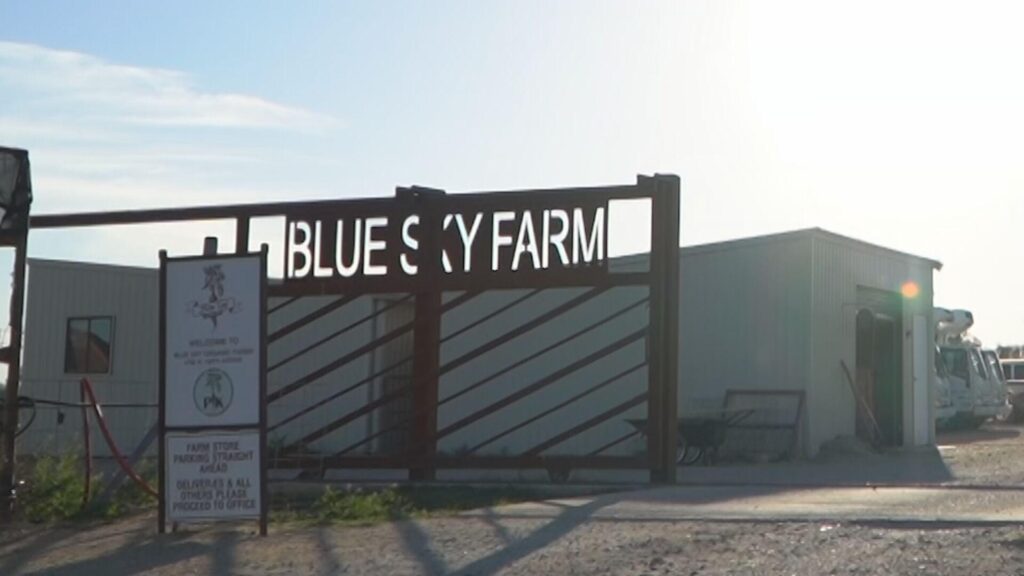
It’s in Vose’s DNA who cared for these 42 acres for more than 25 years, but an imminent separation is coming. “It’s very sad,” said Vose. “There’s no way around it. I mean, I feel every day I’m working here, I will lose this, and it’s like a part of me is being ripped out.”
The farmer leased 23 acres for at least two decades, but he said a buy by Fulton Homes is taking it away and transforming it into a housing community. Vose owns the remainder of the farm, roughly 19 acres, that houses his retail shop and other buildings. But once Fulton Homes moves in, he said he’ll no longer be able to sustain his operations with the little land he has left.
“Emotionally, it’s crushing,” said Vose. “For all I’ve invested and all I’ve done, that I didn’t own enough land to keep doing it and that the market forces, the free market would decide for me that I was done.”
Vose said he couldn’t afford to buy the land when it was offered to him years back by another owner. In the past year, he’s looked for other properties but can’t find anything in the West Valley he can afford. Time is running out; he has until July to find new land.
“I want to be here,” said Vose.
Arizona’s Family reached out to Fulton Homes about the development and have not heard back.
Copyright 2021 KPHO/KTVK (KPHO Broadcasting Corporation). All rights reserved.

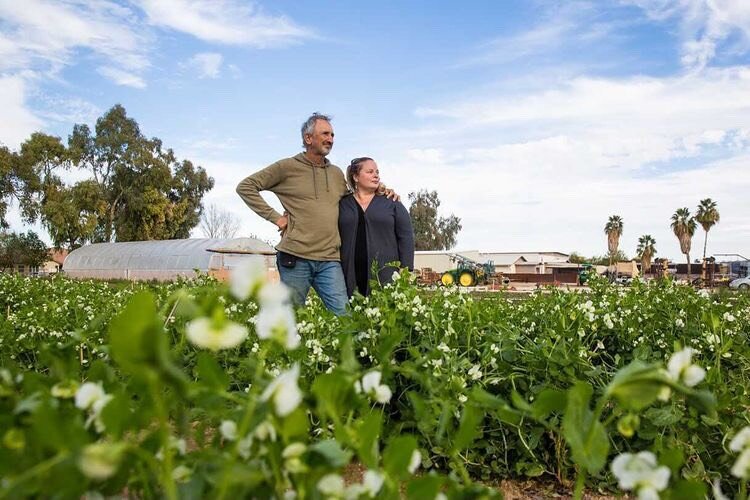
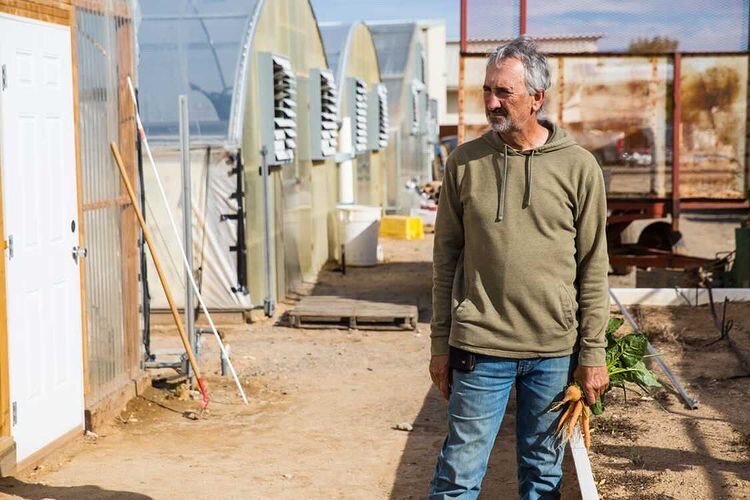
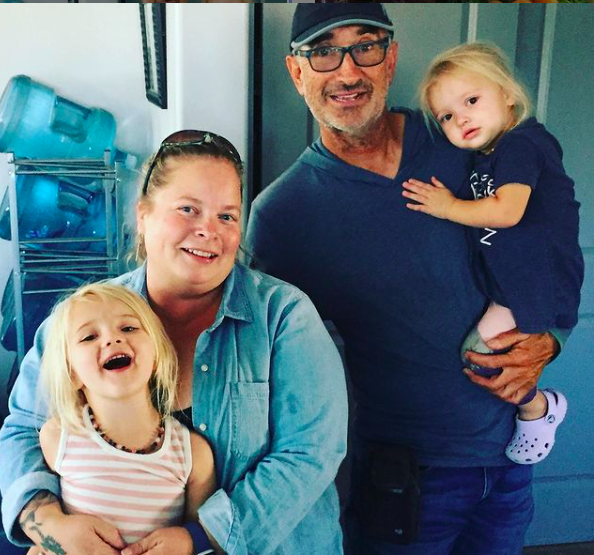

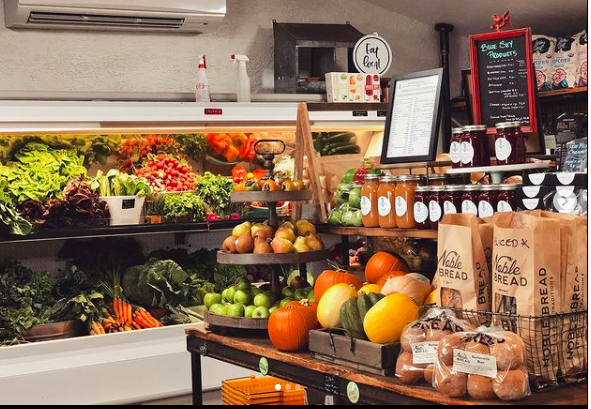
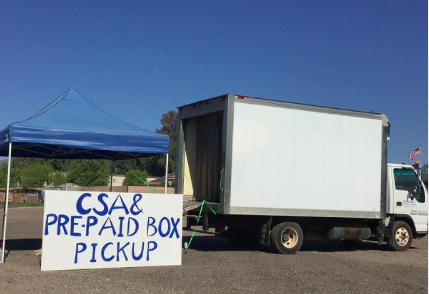
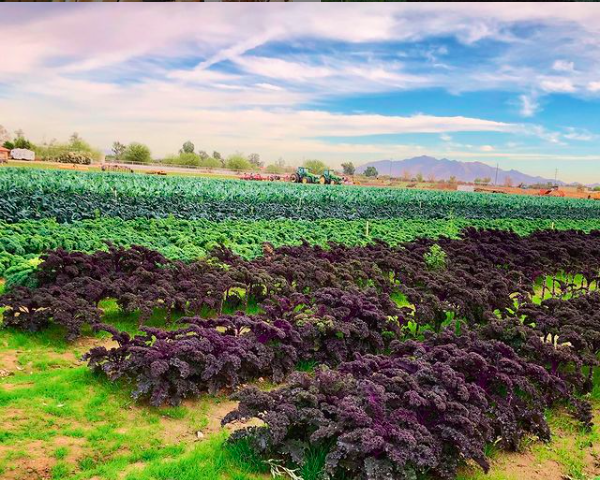
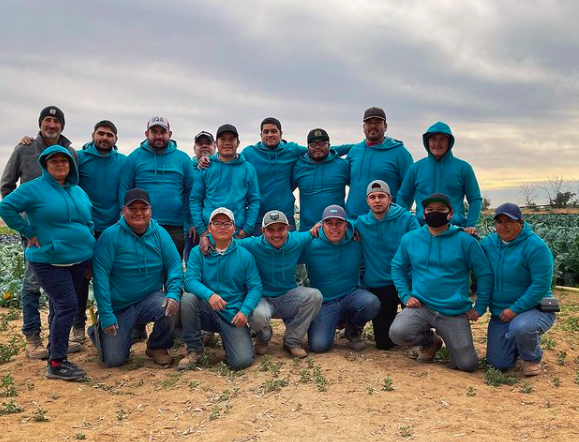
Blue Sky Organic Farms, in Litchfield Park, is the epitome of a community farm. Farmer David Vose has been growing food organically for decades, and has a wealth of experience in desert farming. His partner, Sara Dolan, runs a farmstand on the property that is loaded with their produce and other locally made food products, attends the Downtown Phoenix, Uptown Phoenix, Roadrunner Park, Old Town Scottsdale, and Gilbert Farmers Markets every week, operates a Community Supported Agriculture (CSA) program with 600 families participating and supplies produce to restaurants and kitchens. Blue Sky donates produce to local food banks and supplements CSAs and farmer’s markets across the state including Superior, Lake Havasu City and Flagstaff. They do an incredible job feeding Arizonans good, good food. And if you haven’t had their strawberries, you’re truly missing out.
CURRENT OPERATION: Blue Sky owns 19 acres of land on which 8 acres are farmable (meaning land to grow food) with buildings, roads, storage and pasture on the remaining 11 acres. They had leased 23 acres from a neighboring dairy in order to meet the demands from the community, and this land was sold to Fulton Homes, who will bulldoze and pave over the property to build a housing development beginning the summer of 2021.
THE NEED: David & Sara have been looking for a replacement property for Blue Sky Farms for almost two years, but have faced incredible difficulty in identifying land that is viable for farming. Quality soil and water is of utmost importance. The land they have found that is viable for farming is selling rapidly, off market and at high prices. In order to keep their business viable, David & Sara also need access to land that is close to their production facility in Litchfield Park to keep transportations costs down and produce fresh.
THE TIMELINE: David and Sara have just planted their last season of crops on their leased land. They must be moved out by July 1st, when Fulton Homes takes ownership. With the amount of work that it takes to set up a new farming operation, David and Sara need to have land that they can purchase or lease by the end of this April, 2021. If leased, land that is available on a long term basis is the priority to avoid the time and expense of having to upend their operations to move.
WHAT’S AT STAKE:
If land cannot be found, David and Sara most likely will leave Arizona to farm in another state.
Losing a well-established community farm like Blue Sky lowers our region’s food security. As most of us experienced at the beginning of the COVID pandemic, the run on grocery stores resulted in empty shelves and a sense of panic. Blue Sky Organic Farms was here for us, planting more produce, increasing access to their farmstand and providing food to those in need via food banks. This added to many people’s sense of security, and the ability to access food. Blue Sky also went above and beyond to make sure COVID protocols were followed at their farmstand and at the farmers markets so that their customers and workers were properly safeguarded.
David has been farming in Phoenix since 1995. It has been no simple task, with extreme heat challenges, dust storms and wild weather events. Many farmers will tell you their occupation is a labor of love, and that the rewards are not monetarily based but instead based on meeting the needs of their community. If Blue Sky were to leave Arizona, we lose a tremendous amount of knowledge about growing on this land that David wants to share with the next generation of farmers.
Blue Sky provides 35-full time jobs and 14 part-time jobs, from field workers to farmstand and market staff. These employees will all be left unemployed in a job market that is already stretched thin.
Blue Sky Farm is one of the larger booths at farmer’s markets, a significant contributor to Sun Produce Co-operative and local food banks. Without their produce, these businesses are all affected.
Community farms quite simply add to our community. People move to areas where there is open space, or have a unique business like a community farm that they can visit and that supports them. David & Sara have customers that are like family.
Farmland in Maricopa County helps combat the heat island effect which is exacerbated by increased asphalt and concrete. As temperatures increase, the heat island makes our already hot desert climate dangerous to live in. Adding homes and roadways adds to the urban heat island effect, whereas farmland helps offset it.
HOW YOU CAN HELP:
Do you know of any land that is available for purchase or lease in the metro Phoenix area? Ideally 20 – 50 acres, with some specific requirements that need to be met (soil and water mainly) but we are interested in all leads or creative ideas. Email Helene@localfirstaz.com.
Support Blue Sky with your dollars if you can. Visit their farmstand (where you can also pet their friendly goats) or seek them out at a farmer’s market.
Write a letter of support for Blue Sky sharing how much this farm means to you, your family and your community. These will be shared with local officials and decision makers. Email them to Helene@localfirstaz.com
Advocate for farmland preservation. Share your concern with your elected officials (at the city, county, and state level), and keep your eye on policy that will protect land. There are zoning tools that cities can use right now to preserve farmland, outlined here.
The recently formed Coalition for Farmland Preservation is working on solutions that could preserve farmland. We are working on community mobilizations including letters of support and other actions for Blue Sky Farm and these will be shared via email. Sign up to stay in contact with the Coalition on the website. This will ensure you receive action alerts when we need your support.
Questions and comments can be emailed to Helene@localfirstaz.com
MEDIA COVERAGE:
‘A raging crisis’: Metro Phoenix is losing its family farms and local food sources | AZ Central | August 2020 | Read it here
Family farms made Phoenix livable, so why are so many going away? | AZ Central | February 2019 | Read it here
Arizona farmers having trouble finding, keeping land | ABC 15 | December 2020 | Watch here
Farmland is disappearing in Maricopa County; meet the coalition working to save it | ABC 15 | December 2020 | Watch here
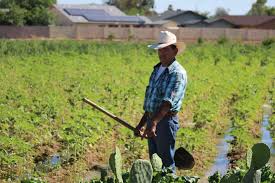
By: Jamie WarrenPosted at 7:00 AM, Dec 23, 2020 and last updated 7:40 AM, Dec 23, 2020
Last week, ABC15 shared the story of Blue Sky Organic Farms, on the verge of losing the land they lease because it’s being sold to development.
David Vose is the farm’s owner and says the amount of farmland Arizona is rapidly losing is concerning.
“We all assume food’s just going to show up from somewhere else and somewhere else now is California and Mexico and other countries,” Vose said. “And our own ability to feed ourselves is going to be severely limited because we have no long-term planning to make farming an option here.”
He says that can lead to food insecurity, a problem we saw back in March when the pandemic began.
“Where distribution was bottlenecked up,” Vose said.
Cindy Gentry, president of Sun Produce Cooperative, says local farms also ensure fair wages and fair prices for farmers. She says they use fewer pesticides on the food you eat and more soil means less pavement which can also keep the Valley cooler.
According to data from the U.S. Department of Agriculture, more than half of all cropland ever created in Maricopa County has been converted to Urban Development.
USDA data shows that in the past 50 years, there’s been a steady decline from 1.5 million acres in the 1970s to just under 500,000 acres today.
Data shows the Valley relies on so much food from other places that in a report for the Maricopa County Food System Coalition’s Food Assessment prepared by Grant Falvo, it states “in the best-case scenario, where all of the remaining farmland is converted to producing food for local consumption and the county population remains at its current level, it was estimated that up to 10% of county residents could be sustained year-round on a typical American diet.”
“It’s not just that they’re losing their land but where is the land available left for them to go to,” Helene Tack, with Local First Arizona, said.
ABC15 spoke with over a handful of members of the Coalition for Farmland Preservation. They recently met with city and state leaders, bringing the problem to their attention and going over possible solutions.
“Our work could be considered futile if there is not a stronger priority on why we do the work,” Darren Chapman with Tiger Mountain Foundation said.
One starts with the Arizona Land and Water Trust, a non-profit that works with willing landowners to obtain conservation easements.
“Pay you in cash for those development rights so that the land is permanently protected and it’s in what we call perpetuity, so it’s forever,” said Executive Director of Arizona Land and Water Trust Liz Petterson.
Vose says another solution would be changing zoning laws and offering tax incentives to developers to not build on a portion of the land they buy.
“A developer buys a thousand acres and the city can say, ‘fine, but you got to keep a hundred acres in farming,'” Vose said. “That’s no different than saying you have to build a park, in my opinion.”
Another option, the coalition says, is finding a way for cities or counties to buy that land, preserve it and lease it back to the farmers.
“We will not be able to solve our food insecurity crisis if we are not able to consider land insecurity hand in hand,” said Adrienne Udarbe, Executive Director of Pinnacle Prevention.
These are just a few ideas that the coalition has and Dean Brennan with the Maricopa County Food System Coalition says in some cases, the tools to make these changes are currently available.
“In other cities, other states, that ethic does exist,” Brennan said. “That’s why those cities and counties and states have preserved (agricultural land) because there’s a belief that it is of a significant value and we just need to educate and inform people in Maricopa County.”
Rosanne Albright, Environmental Programs Coordinator with the city of Phoenix is also on the coalition. She sent ABC15 the following statement: “The City of Phoenix, through the Council-approved 2025 Phoenix Food Action Plan, is exploring mechanisms for farmland preservation and have taken that first step by participating in the formation of the Coalition for Farmland Preservation. We are working with the partners in the coalition to identify and advance policies that would protect and preserve farmland.”
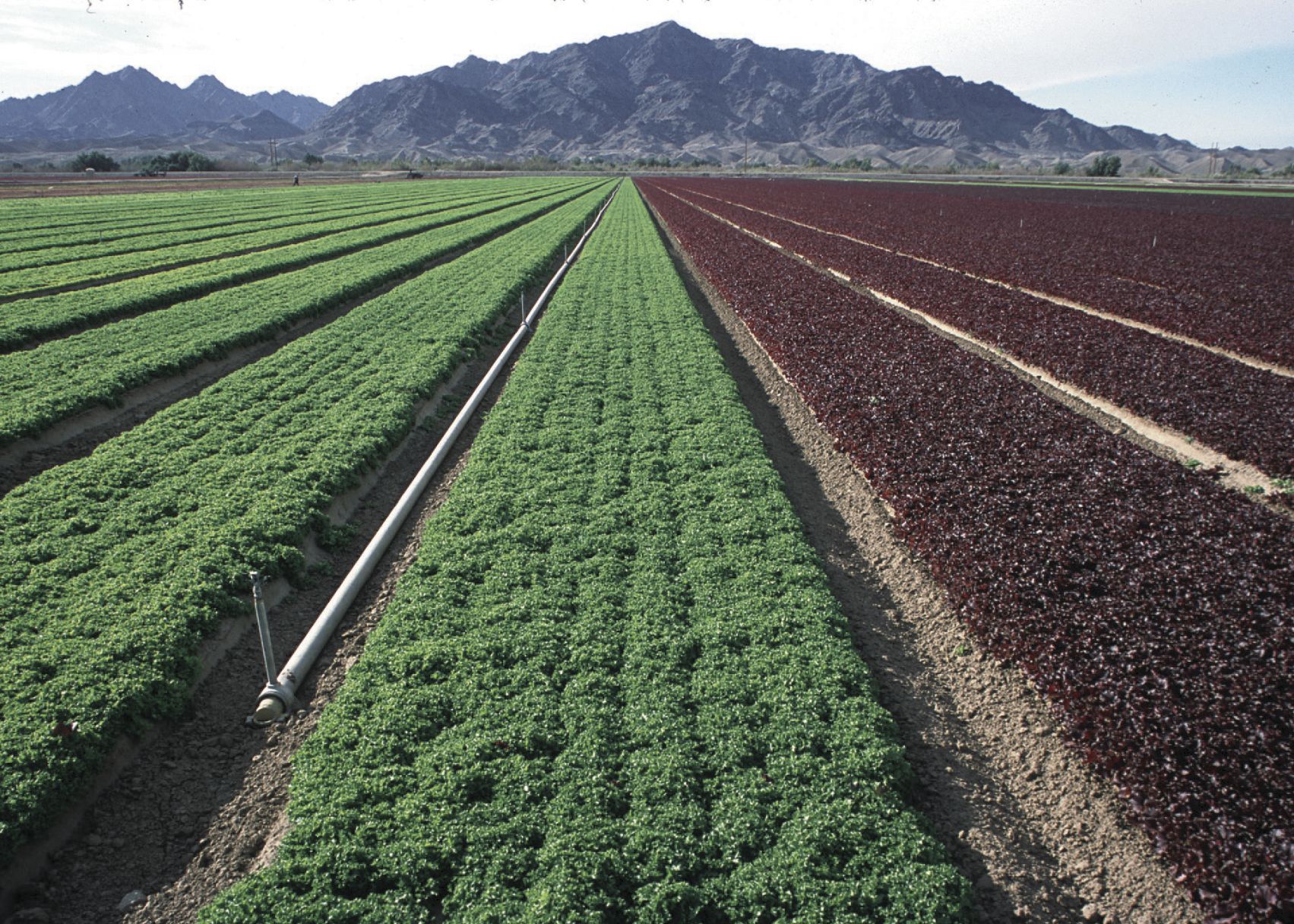
Every day across the United States, 2,000 acres of farmland are lost or threatened by development – that’s over 80 acres ever hour. The farmland being lost the quickest also happens to be the best: the most productive, versatile, and resilient.
As the fourth largest county in the country and continuing to grow, Maricopa County is no exception to this alarming trend. Local community farms that feed the community, preserve open space, offer educational opportunities, and benefit the environment are at immediate risk of land loss. And they’re running out of places to go.
Sign up to receive updates and learn how to get involved.
Are you a landowner or developer that is interested in preserving farmland? Email Helene@localfirstaz.com
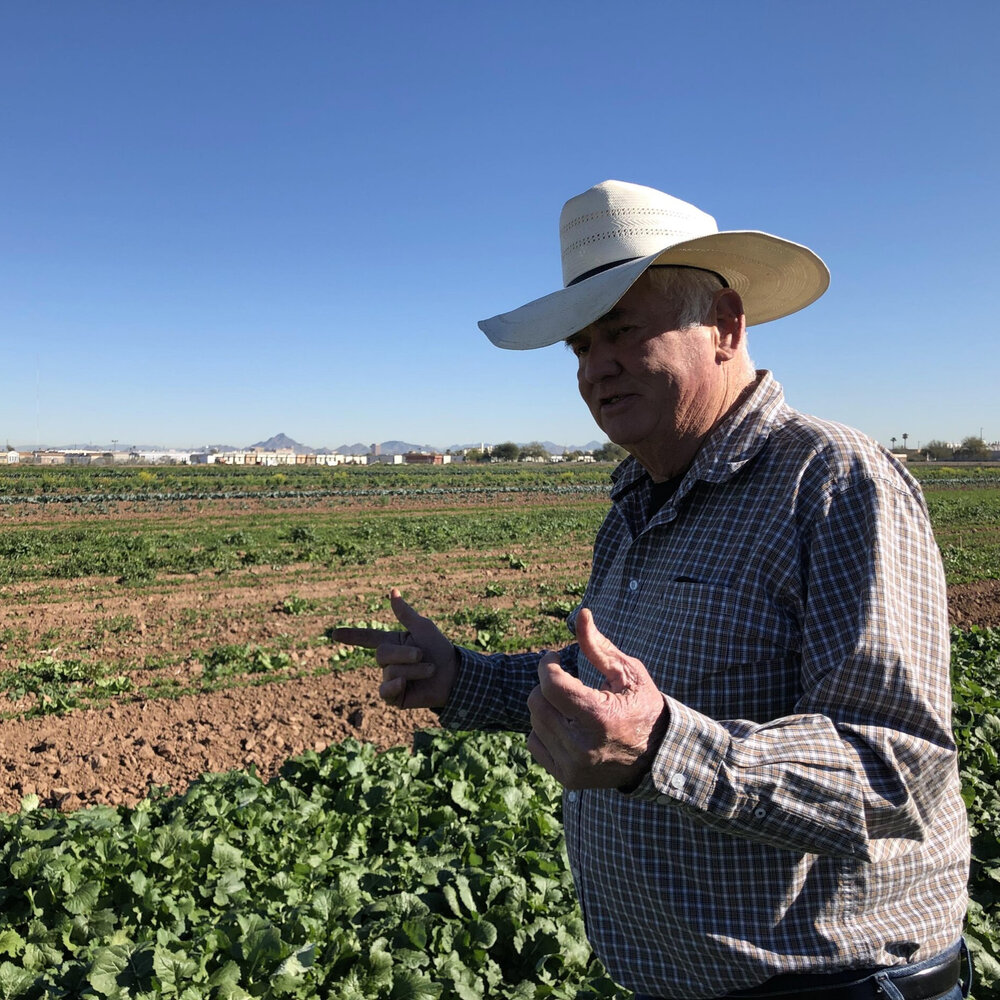
Farmer Frank, son of a Native American migrant farmworker, continues the Native American traditions of using Heirloom seeds, natural care for the soil, crop rotation, and other sustainable farming practices.
Frank and his staff run a prolific farm that provides fresh fruits, vegetables, and beans to families across the Valley through CSAs, farm to restaurant sales, food banks, and at two farmers markets. His produce also supplements CSAs and emergency food programs in Tucson, Ajo, Superior, and Lake Havasu City. He employs 14 people year-round, and provides ongoing mentorship to farmers across the state – a sorely needed resource at a time when agriculture’s workforce is shrinking in size and knowledge.
But Farmer Frank’s tenure in Phoenix might soon come to a close. The 40 acre parcel he has leased from a private landholder for over a decade is due to be sold to the City of Phoenix in order to expand its Wastewater Treatment Plant.
Sara Dolan and David Vose have been farming organically in Arizona since 1995, and are passionate about growing. David can tell you the name of every single plant, and Sara has a hand in all their operations and is a fierce advocate for their 35 employees.
Right now, Blue Sky Organic Farms farms 35 acres in Litchfield Park, near the intersection of Camelback and the 303. They offer a robust CSA, wholesale opportunities, support five farmers markets across the Valley, and run a beautiful on-site farmstore featuring their own produce, as well as products from other local food artisans.
Beginning this Summer, 60% of the land farmed at Blue Sky Organic Farms will be taken out of production to make way for 600 new homes. In fact, 25,000 single-family residences have been proposed in developments within a 10-mile radius of Blue Sky Organic Farms in the next 10 years.
The Coalition is made possible by the 2020 Spark Grant from the Vitalyst Health Foundation. Vitalyst Health Foundation is a Phoenix-based public foundation focused on improving well-being in Arizona by addressing root causes and broader issues that affect health. For additional information, please visit www.VitalystHealth.org.
|
|
Your help is needed to save Blue Sky Organic Farms – https://blueskyorganicfarms.com
They are looking to buy or acquire a long-term lease on 40 to 100 acres close to 189th Ave. and Camelback. Without a place to go they will begin to shut down operations at Blue Sky starting in April 2021. They need to turn over the 25 acres they have been leasing from the dairy in June of 2021. That will leave them with 10 acres that they own – mostly buildings and infrastructure and a bit of farmland – which will be less than useful if they have no product to process and pack and not enough to grow food on.
The loss of this farm would be a blow in so many ways – to local agricultural traditions, to farmers markets in the valley – Blue Sky sells what they grow at four of the main markets in central Arizona, as well as a loss to their 600 CSA members, and the families they serve through their store, a loss of a very talented organic grower and of community-minded friends and colleagues, a loss to restaurants, schools and stores, as well as food banks, low-income housing projects and senior centers who relish and are grateful for the opportunity to offer pristine local veggies, and even a loss to outlets like Sun Produce Co-op, which have been steadfastly working to create a larger demand / niche for local food here in our state.
Blue Sky has been a pillar of the Arizona farming community for 27 years. Without its continued existence we can’t begin to imagine what the future of smaller-acreage vegetable crop production looks like here, nor the opportunities to grow future farmers.
HERE IS HOW YOU CAN HELP: If you know of 40 acres or more of arable farmland near 189th Ave. and Camelback, that is available for sale or lease mid-to long-term and has water rights, and / or would like to provide funding support for the lease or purchase of such a place, please contact Sara at purplekarat@gmail.com or call 623.266.4031.



Comments (0)